Corporate event budgeting for 2026
Planning a large-scale event in 2026 looks different than it did just a few years ago. Budgets are under more scrutiny, expectations are higher, and stakeholders want clear ROI — not just a good-looking party.
Whether you’re planning a corporate conference, brand activation, employee celebration, or large hospitality event, understanding where event budgets are heading (and why) will help you plan smarter, avoid surprises, and get more value from every dollar spent.
Here’s what to expect when budgeting for large-scale events in 2026.
Event Budgets Are Stabilizing — But Not Shrinking
After several volatile years, event budgets have largely stabilized. What has changed is how money is allocated.
Instead of spreading budget evenly across many elements, planners are prioritizing:
Fewer, higher-quality experiences
Strong visual impact
Comfort, flow, and guest engagement
In 2026, successful events aren’t necessarily bigger — they’re more intentional.
Experience Is Taking Priority Over Décor Volume
One of the biggest budget shifts we’re seeing is a move away from excessive décor and toward interactive and experiential elements.
Planners are investing more in:
Lounge environments instead of rows of chairs
Interactive games and activations instead of passive décor
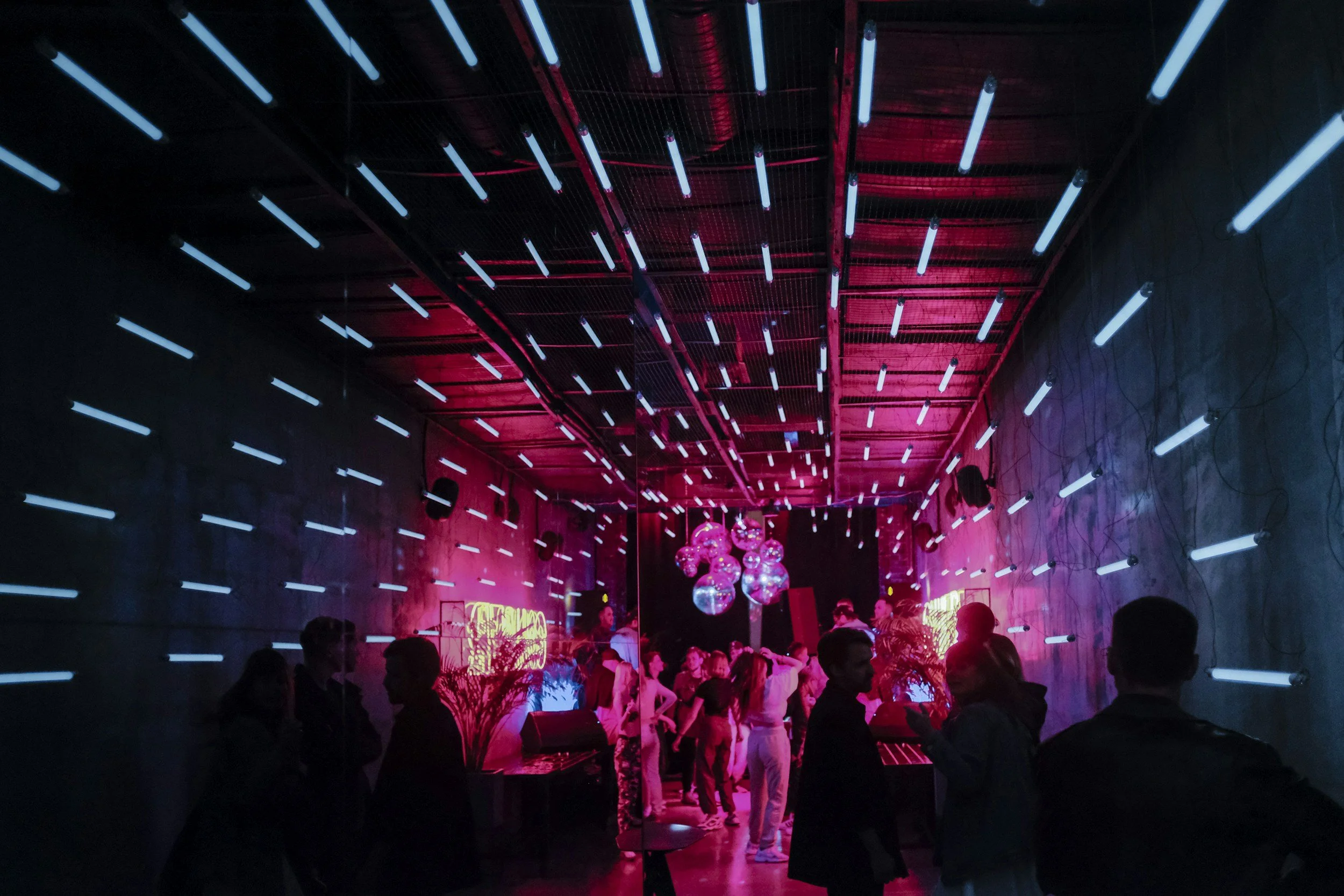
Statement lighting and focal points instead of full-room builds
This approach often results in:
Higher guest engagement
Better event photos and social sharing
Stronger brand recall
In many cases, reallocating budget toward experience actually reduces waste while increasing impact.

Interactive lounges and games.
Labor, Logistics, and Timing Matter More Than Ever
A major factor influencing 2026 budgets is logistics — not just the rentals themselves.
Costs are increasingly affected by:
Complex load-ins or tight venue windows
Multi-floor or limited-access venues
Overnight installs or early-morning strikes
Specialized labor or technical support
The earlier an event is planned, the more flexibility there is to design efficiently and control these costs. Late-stage changes are one of the fastest ways budgets grow unexpectedly.
AV, Power, and Infrastructure Are No Longer “Afterthoughts”
For large-scale events, audiovisual and power planning now account for a more visible portion of the budget.
Why?
Events rely heavily on screens, lighting, and branded visuals
Guests expect seamless sound, lighting, and technology
Venues don’t always provide sufficient infrastructure
In 2026, smart planners budget early for:
Power distribution
Lighting design
Screens and content display
Technical labor
Treating infrastructure as a core element — not an add-on — prevents last-minute stress and costly adjustments.
Expect Fewer Discounts — and More Value-Based Pricing
The event industry has largely moved away from deep discounting, especially for high-quality providers. Instead, pricing is becoming more value-based.
That means:
Clear minimums for large events
Bundled solutions instead of à la carte items
Pricing that reflects logistics, expertise, and reliability
For planners, this is actually a positive shift. Working with fewer, more capable partners often results in smoother execution, fewer issues on-site, and better overall outcomes.
Smart Budgeting Tips for 2026 Events
To get the most from your event budget in 2026, consider these best practices:
Plan earlier than you think you need to.
Early planning unlocks better availability, smarter layouts, and cost-efficient logistics.
Invest where guests spend time.
Lounges, networking areas, and interactive zones deliver more ROI than elements guests walk past.
Bundle strategically.
Integrated solutions (furniture, games, lighting, and layout planning together) are often more efficient than piecing vendors together.
Design for flow, not just aesthetics.
Events that move well feel better — and require fewer last-minute fixes.
The Bottom Line
Budgeting for large-scale events in 2026 is less about cutting costs and more about spending with intention. The most successful events prioritize experience, comfort, and execution — and partner with teams who understand how all the pieces fit together.
When budgets are aligned with strategy early, large-scale events don’t just look better — they run better.
If you’re planning a major event this year and want guidance on allocating your budget for maximum impact, working with an experienced event partner early can make all the difference.

