Serving nationwide, Willie Fun Events
Major sporting events have evolved far beyond the game itself. Today, brands view events like championship tournaments, motorsports races, all-star weekends, and national sporting showcases as powerful opportunities to build relationships, entertain clients, and create unforgettable brand experiences.
One of the fastest-growing trends in corporate event strategy is the rise of VIP hospitality lounges — curated environments where companies connect with guests in a premium, relaxed setting while the excitement of the event unfolds nearby.
Here’s how brands are using hospitality lounges to maximize impact at major sporting events in 2026.
1. Client Entertainment Has Become Experience-Driven
Corporate entertaining used to mean tickets and reserved seating. Today, brands are investing in full hospitality environments that allow guests to network, relax, and engage before and after the game.
VIP lounges provide:
Comfortable seating away from crowds
Food and beverage gathering spaces
Conversation-friendly layouts
Exclusive access experiences
These environments turn a sporting event into a relationship-building opportunity rather than simply an outing.
2. Sponsorship Activation Beyond Signage
Modern sponsors want more than logo placement — they want interaction.
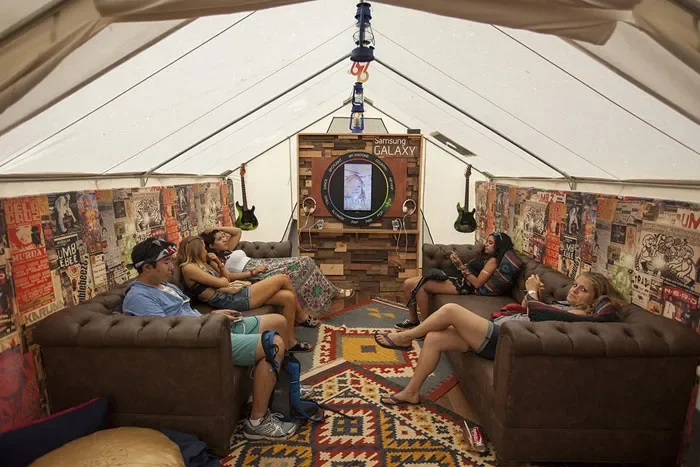
VIP hospitality lounges allow brands to create:
Fully branded environments
Product showcases
Interactive engagement stations
Social media photo moments
Guests don’t just see the brand; they experience it firsthand, increasing brand recall and engagement long after the event ends.
3. Hospitality Lounges Extend the Event Timeline
One major advantage of VIP lounges is that they expand engagement beyond game time.
Brands commonly host:
Pre-game networking receptions
Halftime hospitality gatherings
Post-event celebrations
Sponsor meet-and-greets
Instead of a three-hour event window, companies create all-day experiences that deepen client relationships and maximize sponsorship value.
4. Comfort and Atmosphere Drive Guest Experience
The most successful hospitality lounges focus heavily on atmosphere.
Key design elements include:
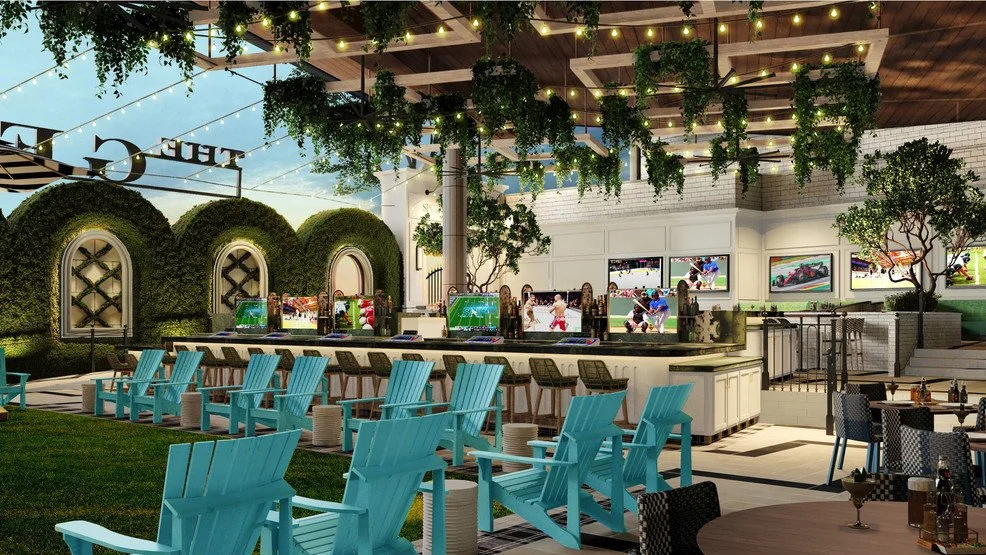
Lounge furniture clusters
Turf or area rugs
Ambient lighting
Greenery and décor
Covered or tented environments
These details transform parking lots, plazas, or adjacent event spaces into premium hospitality destinations that feel intentional and exclusive.
5. Fan Zones Are Becoming Corporate Networking Spaces
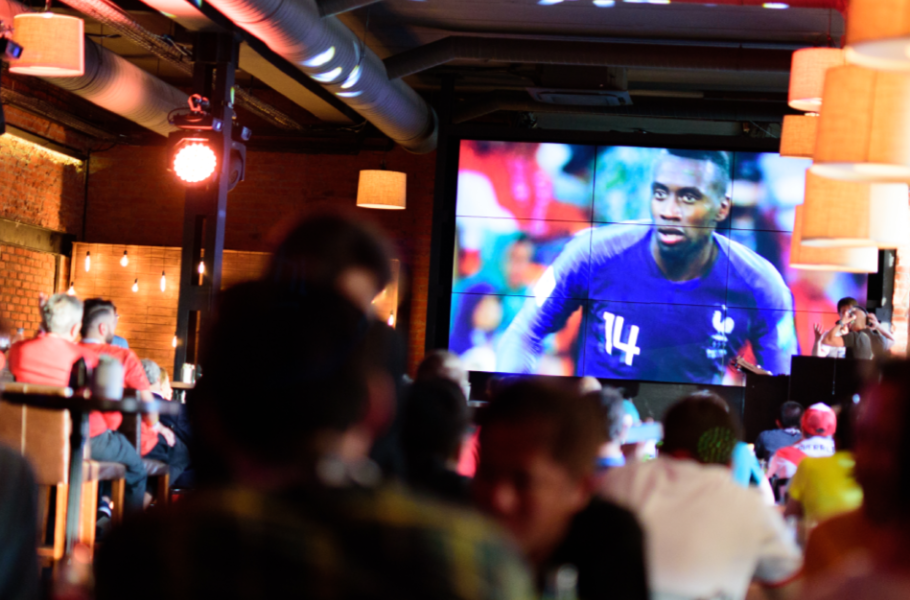
Large sporting events increasingly include surrounding fan festivals and activation zones. Brands are leveraging these areas to host clients, partners, and VIP guests in semi-private environments.
This approach allows companies to:
Entertain large guest groups
Maintain brand visibility
Offer premium comfort within public events
Create controlled networking environments
For many organizations, fan-zone hospitality has become just as valuable as stadium suites.
6. Major Sporting Events Driving Hospitality Demand in 2026
Across the Midwest and nationally, corporate hospitality demand continues to rise around events such as:
Motorsports race weekends
Championship tournaments
All-star sporting events
College and professional playoff experiences
Large-scale fan festivals
Brands increasingly plan hospitality activations months in advance to secure premium environments and production resources.
The Future of Sports Hospitality
The modern VIP hospitality lounge blends event design, branding, entertainment, and comfort into one cohesive experience.
Rather than simply attending a sporting event, guests become part of an immersive brand environment — strengthening relationships, increasing engagement, and creating memorable moments tied directly to the sponsoring organization.
As corporate entertainment continues to evolve, hospitality lounges are quickly becoming one of the most effective ways brands connect with clients and partners at major sporting events.
Planning a Corporate Hospitality Lounge?
Whether supporting a sponsorship activation, hosting VIP clients, or creating a branded fan experience, hospitality lounges offer flexibility, visibility, and elevated guest comfort at any major sporting event.
Early planning ensures the best layout options, branding opportunities, and guest experience design — especially during peak sports and festival seasons.

